politics
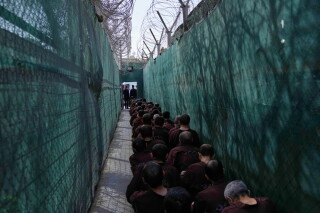
Iraq rejects Syria’s request to take back 4,000 suspected IS detainees
Baghdad says prisoners suspected of crimes in Iraq will face Iraqi investigations and trials, while it seeks international help with detention costs.
Associated Press
Iraqi government, parliament, diplomacy, public policy and security developments
Baghdad says prisoners suspected of crimes in Iraq will face Iraqi investigations and trials, while it seeks international help with detention costs.
The Central Bank put a cabinet-approved devaluation into effect, setting the public cash-dollar rate at 1,520 dinars.
A Kurdish lawmaker says the two governments still disagree over the region’s federal share, oil deliveries and customs revenue.
Baghdad adjusted the official dinar rate as the regional war and Strait of Hormuz disruption increased pressure on oil-dependent public finances.
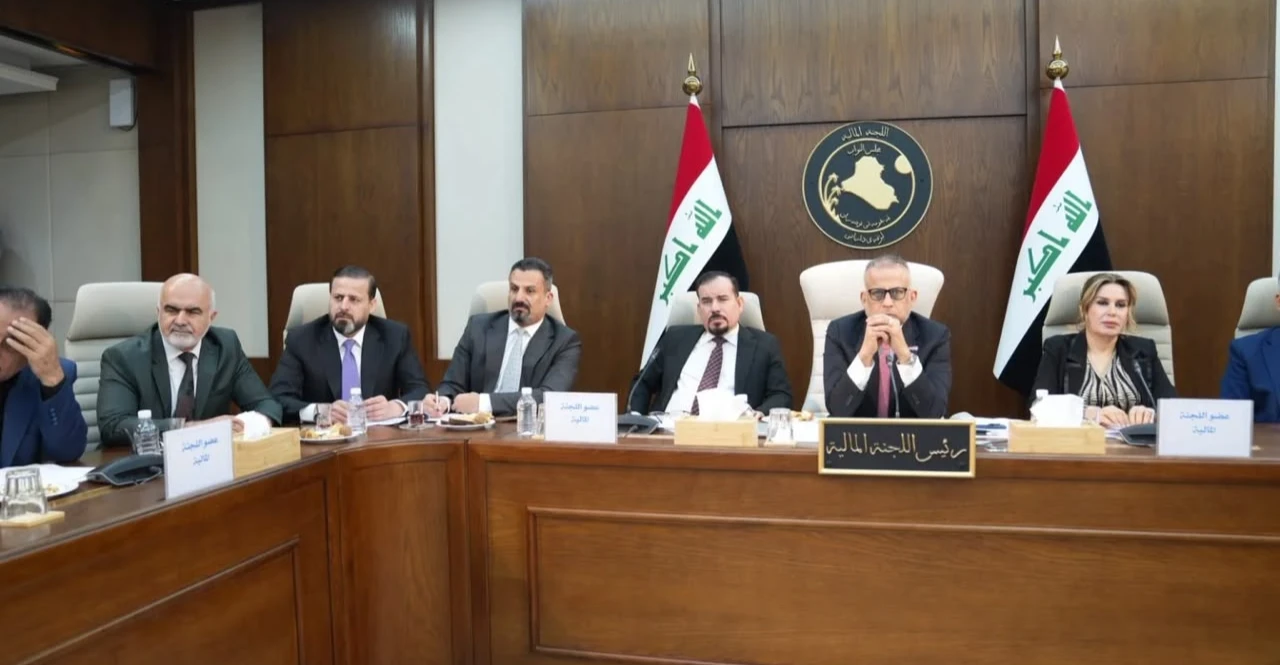
A parliamentary finance committee member said the draft projects a 50-trillion-dinar deficit and proposes new public-sector contract posts as lawmakers press for greater consultation.
A parliamentary review focused on Iraq’s environmental policy, water pollution, waste, land degradation and the ministry’s lack of operating funds.
Lawmakers and the finance minister reviewed the initial 2027 budget framework, including revenue diversification and spending reform.
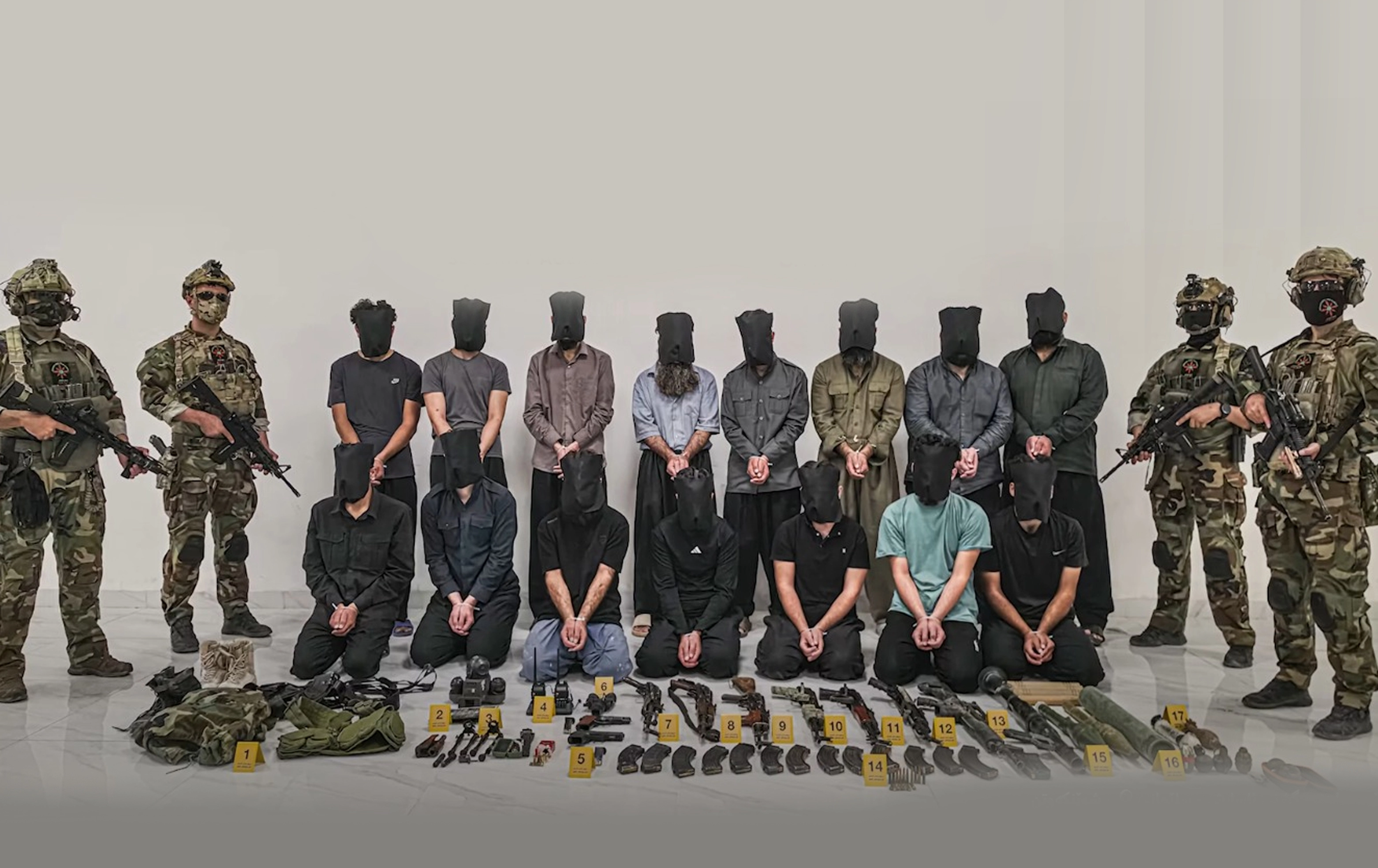
Asayish says it detained 22 suspects in operations across Sulaimani and Halabja.
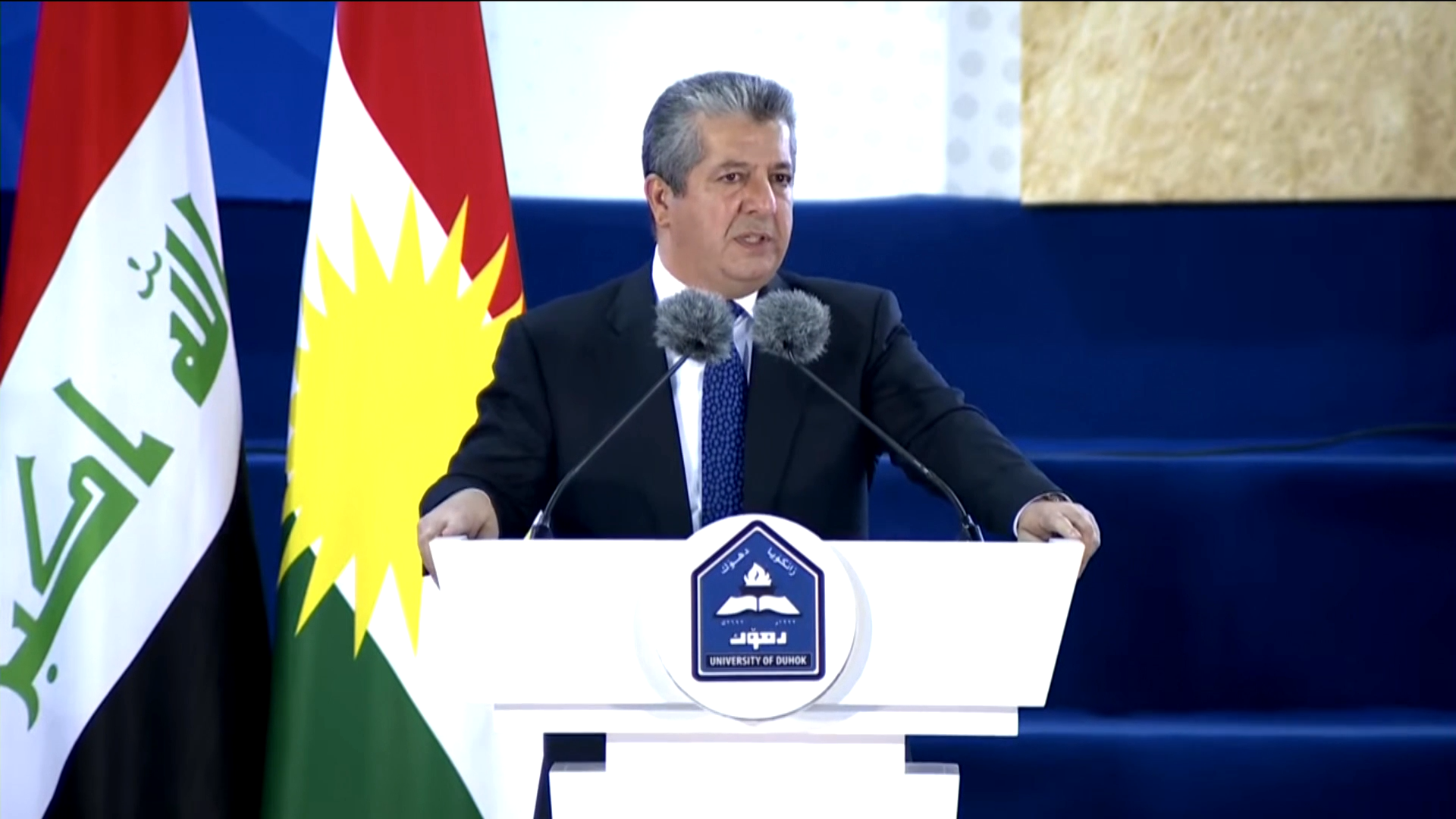
Prime Minister Masrour Barzani says the prolonged failure to form a new regional cabinet cannot continue indefinitely.
The Services and Reconstruction Committee reviewed project selection, delays and service works in Baghdad and several governorates.
A parliamentary committee reviewed food-basket policy, import licensing, trade agreements and anti-corruption controls with the trade minister.
Parliament’s energy committee brought together government specialists to refine a draft law intended to diversify Iraq’s energy mix.
A parliamentary committee inspected the General Customs Authority’s operations and the rollout of the ASYCUDA digital customs system.
Parliamentarians and World Bank representatives examined fiscal reform, non-oil revenue and a phased move away from line-item budgeting.
The legislature approved a modernisation amendment for notary offices and moved forward on juvenile justice, markets, navigation and solar cooperation legislation.
Parliament’s Finance Committee reviewed the electoral commission’s operational needs, voting technology and preparations for provincial council elections.
Mahan Air is excluded from the agreement as Baghdad says Washington granted its request for a waiver.
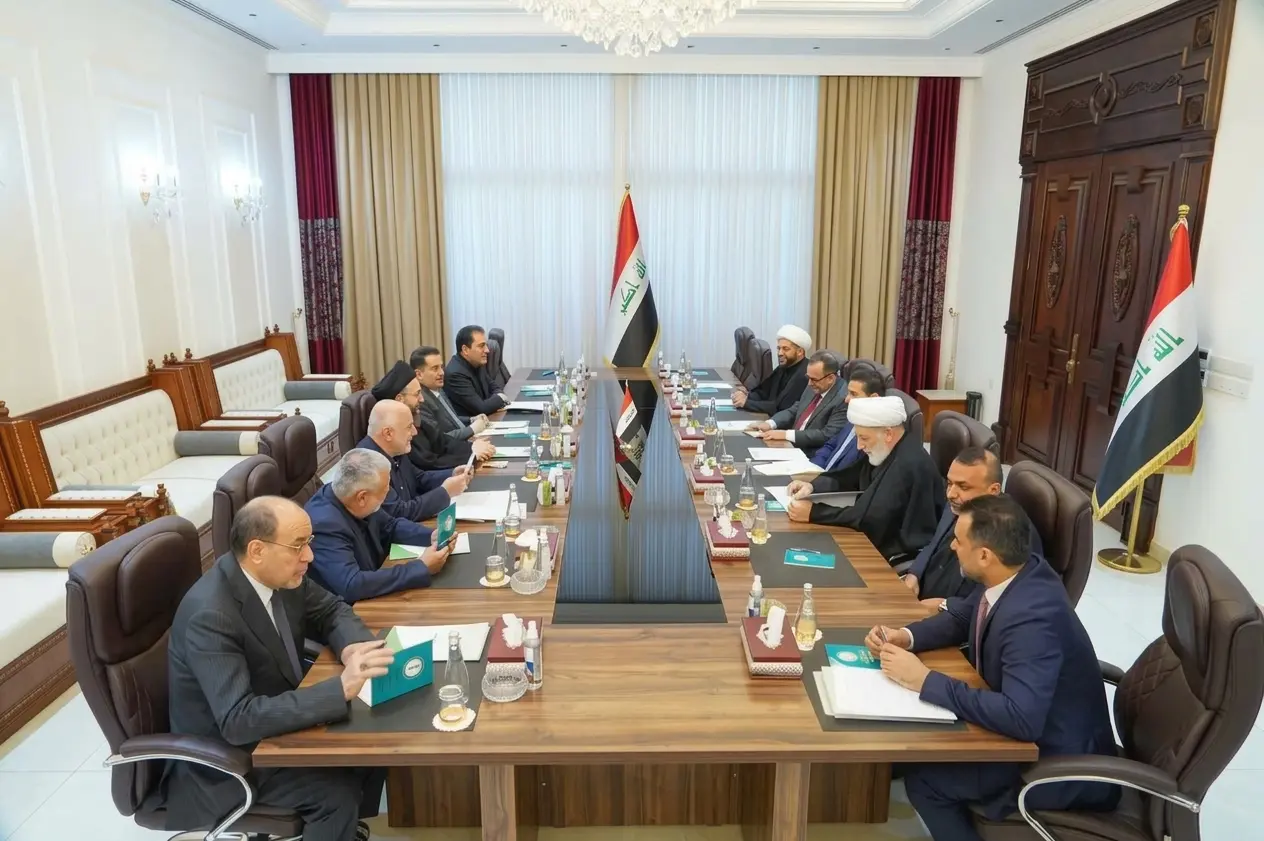
A senior Coordination Framework lawmaker said the bloc had settled on candidates for nine unfilled Cabinet posts, though parliamentary approval remains pending.
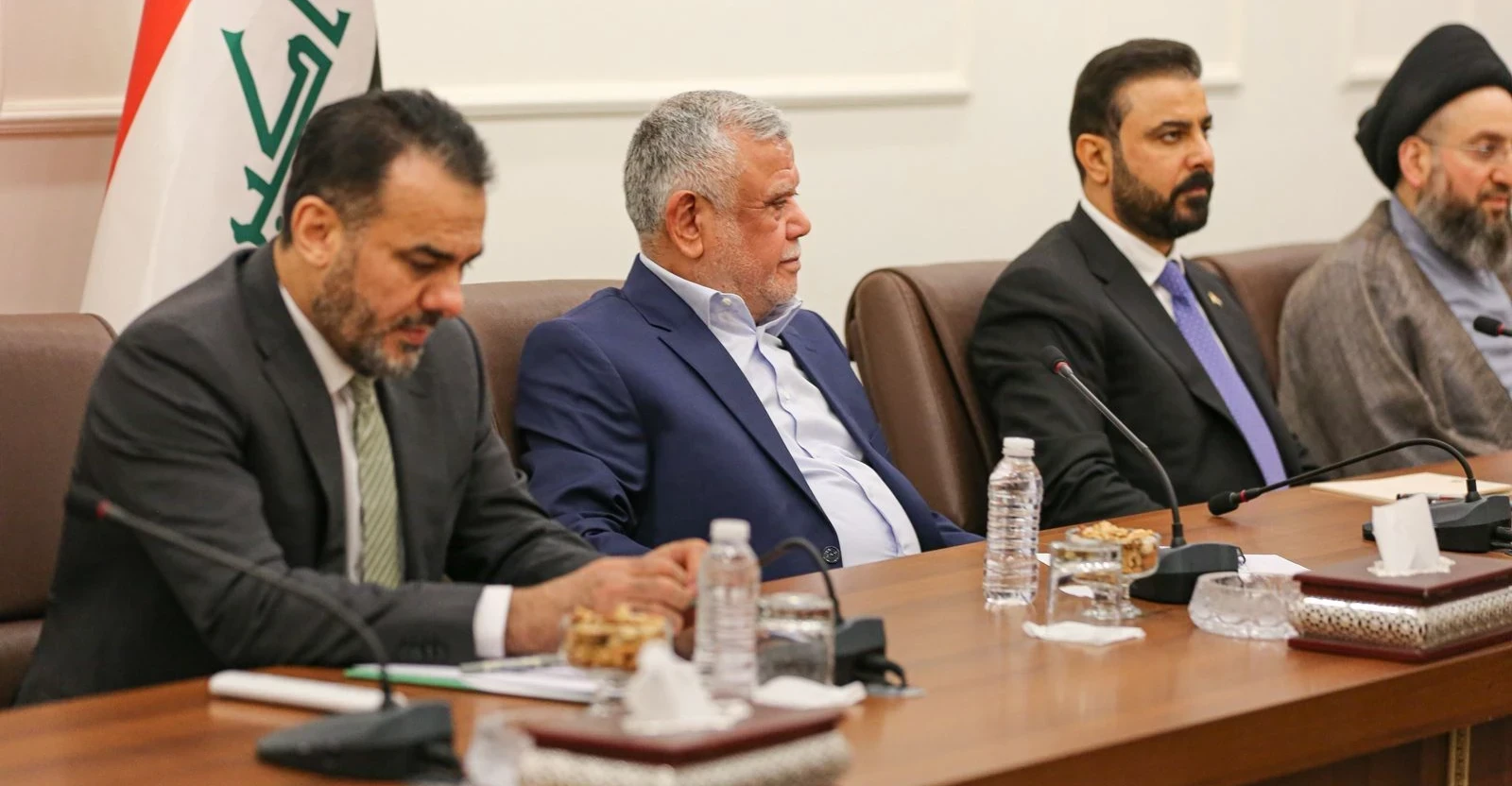
The prime minister asked Coordination Framework leaders to resolve outstanding ministerial posts and support disarmament negotiations.
Erbil planned discussions with the federal Finance Ministry on the region’s 2027 entitlements and salary funding.
Baghdad’s representative says Iraq opposes Israeli participation in UNESCO meetings under its anti-normalization law.
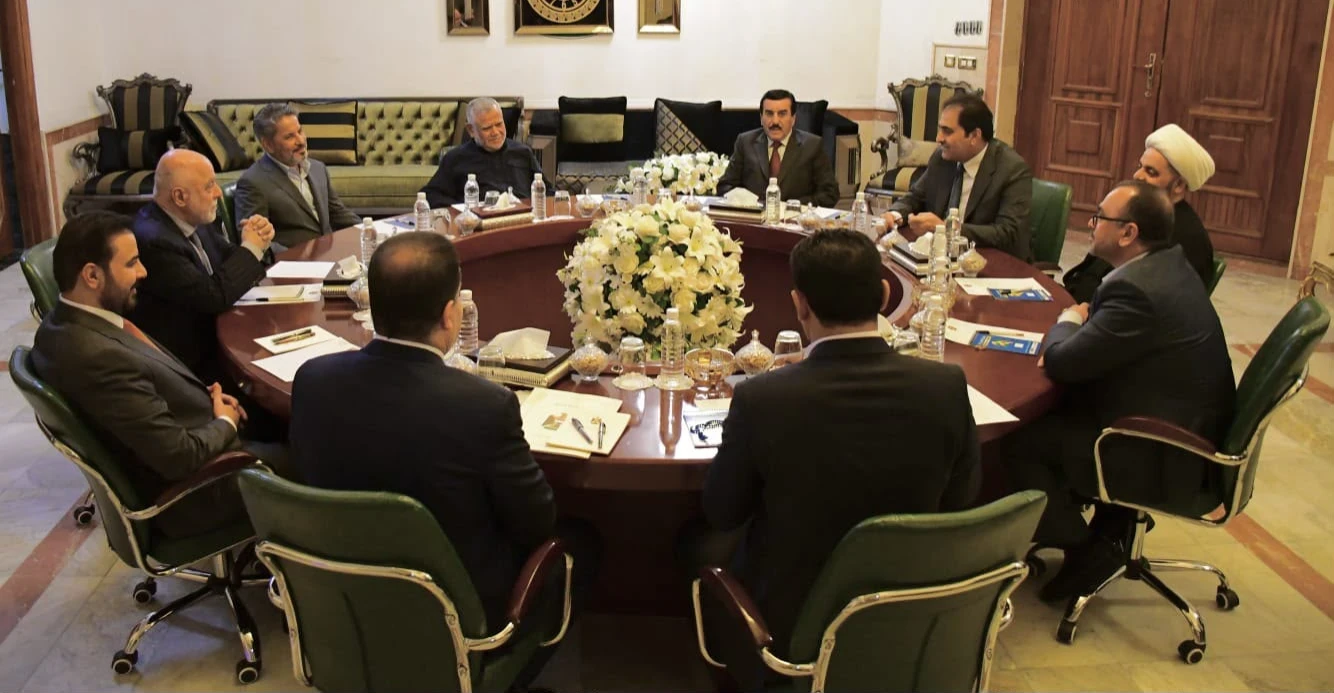
The Shiite alliance is weighing a standing body to oversee government work, though the idea has no evident constitutional basis.
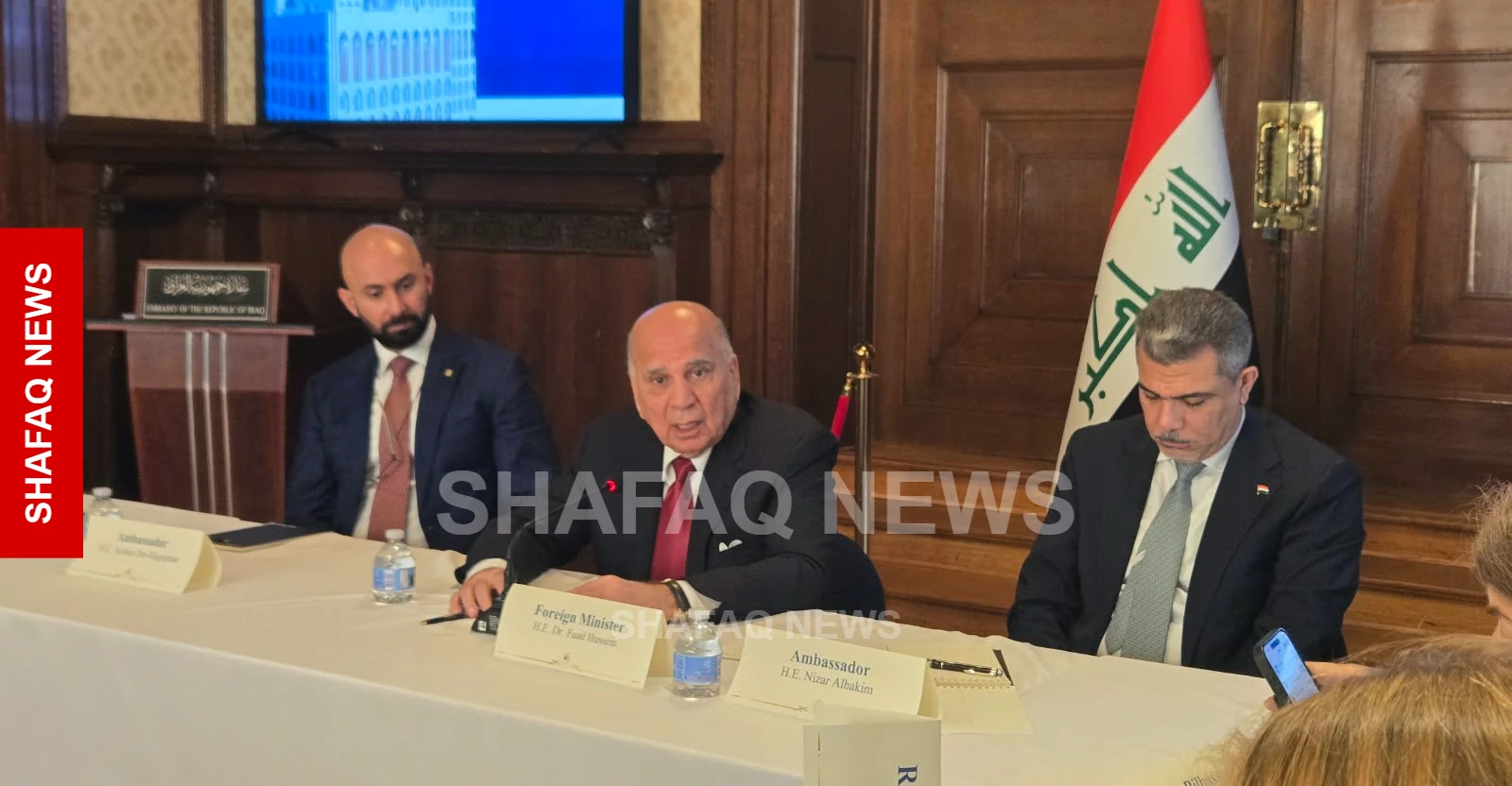
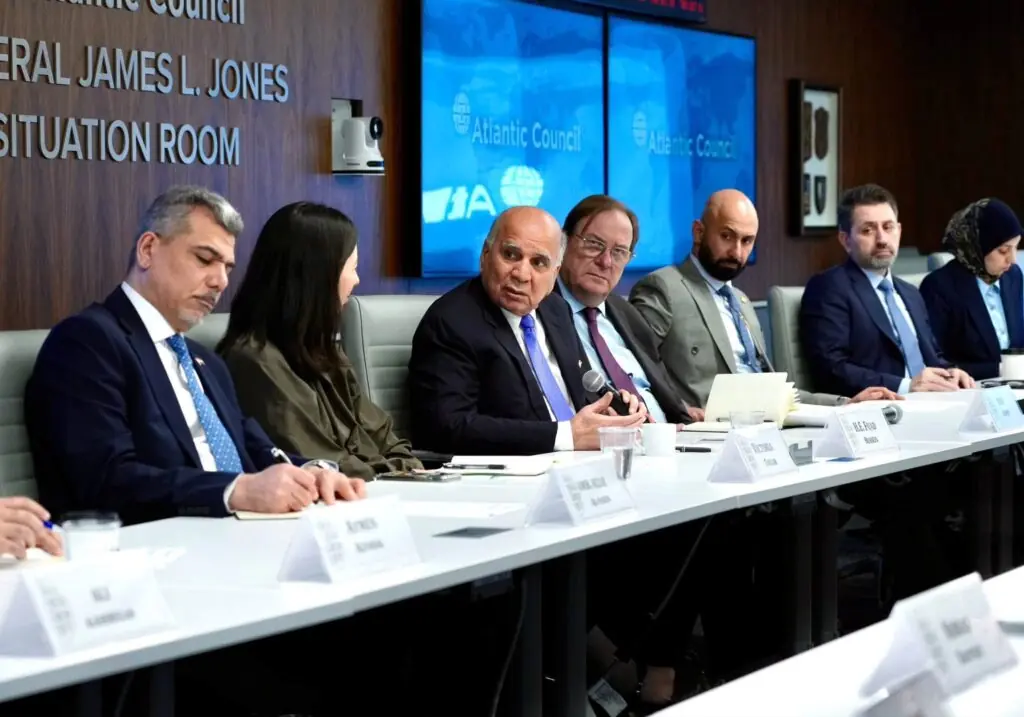
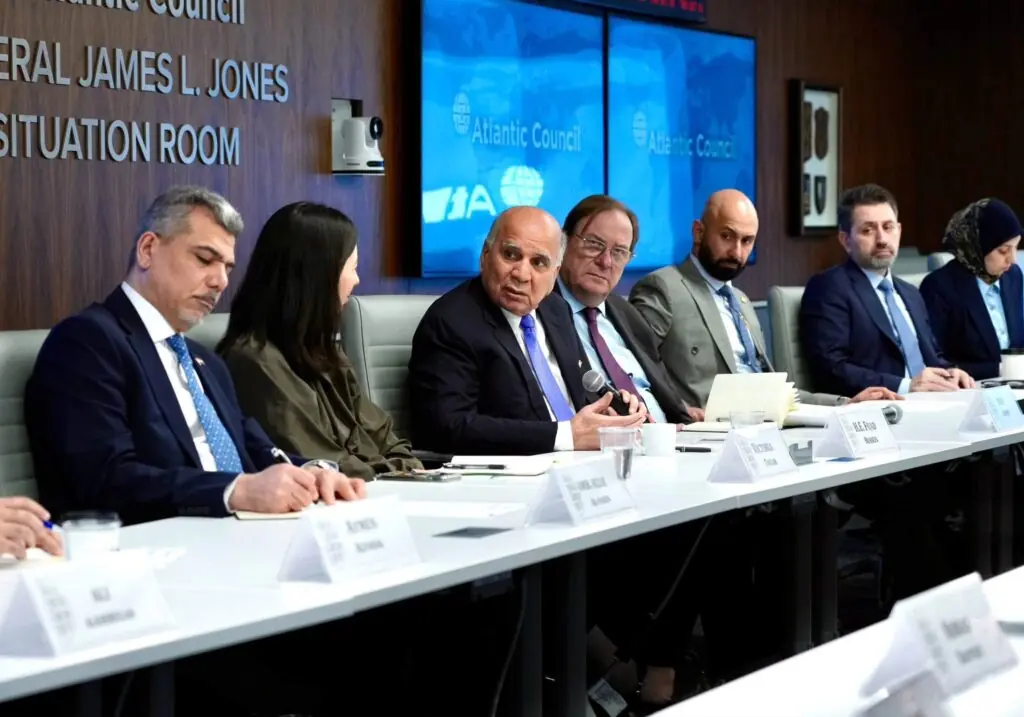
Foreign Minister Fuad Hussein said three armed factions had begun joining a state-control process as Baghdad pursues a broader security and diplomatic agenda.
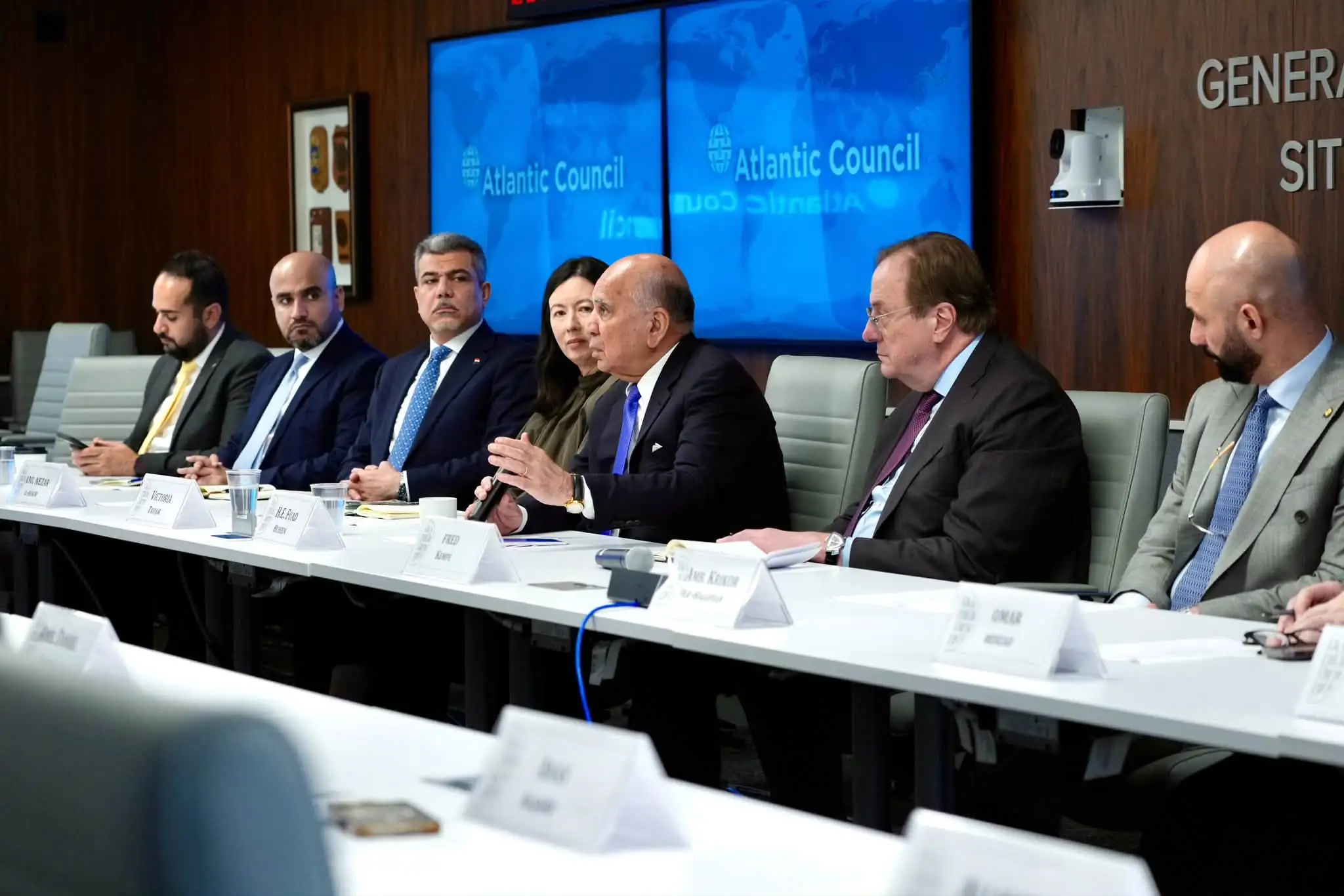
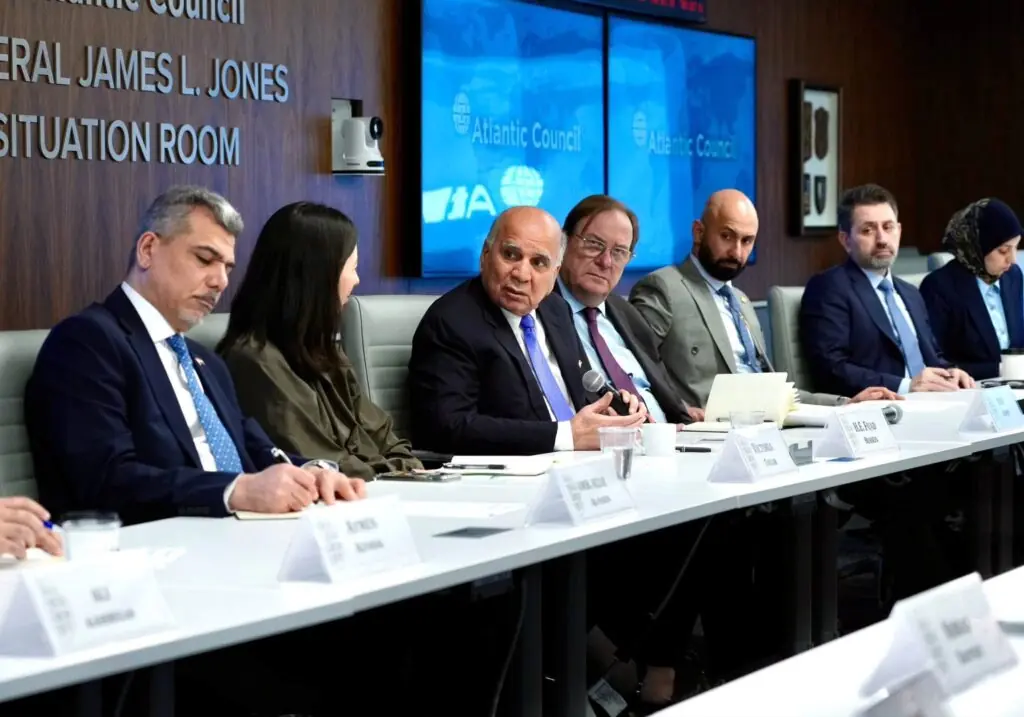
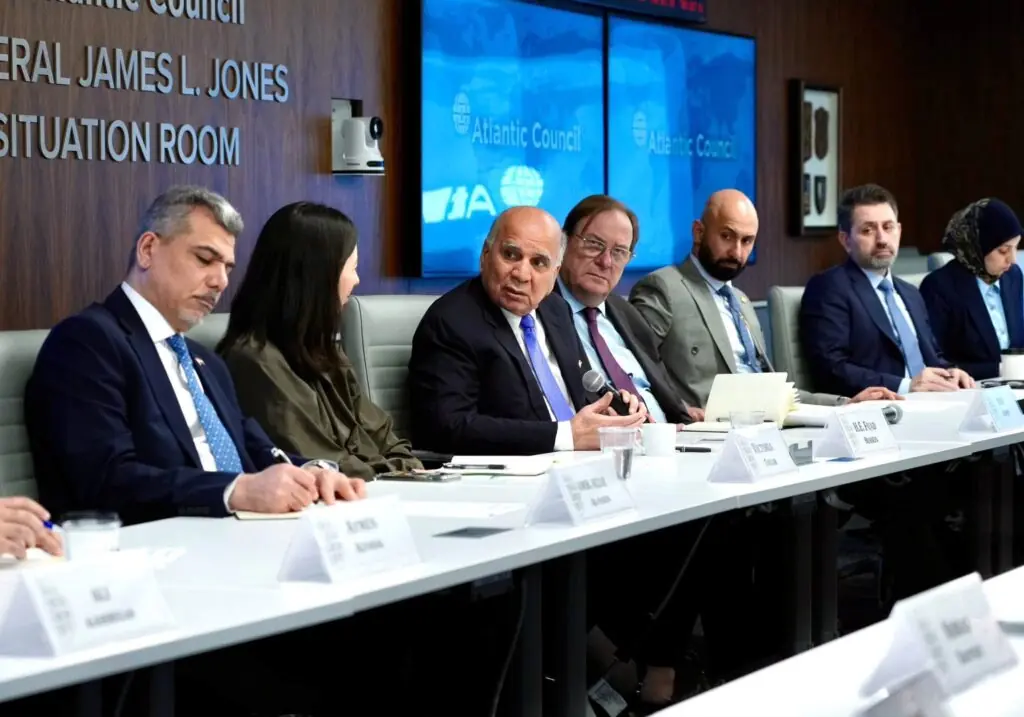
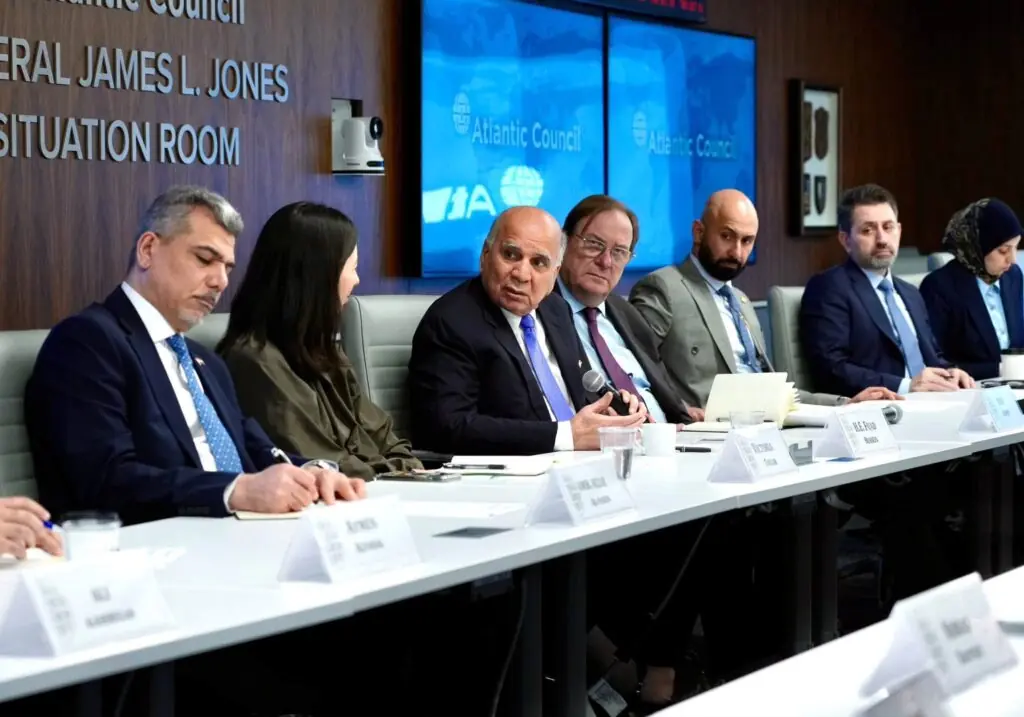
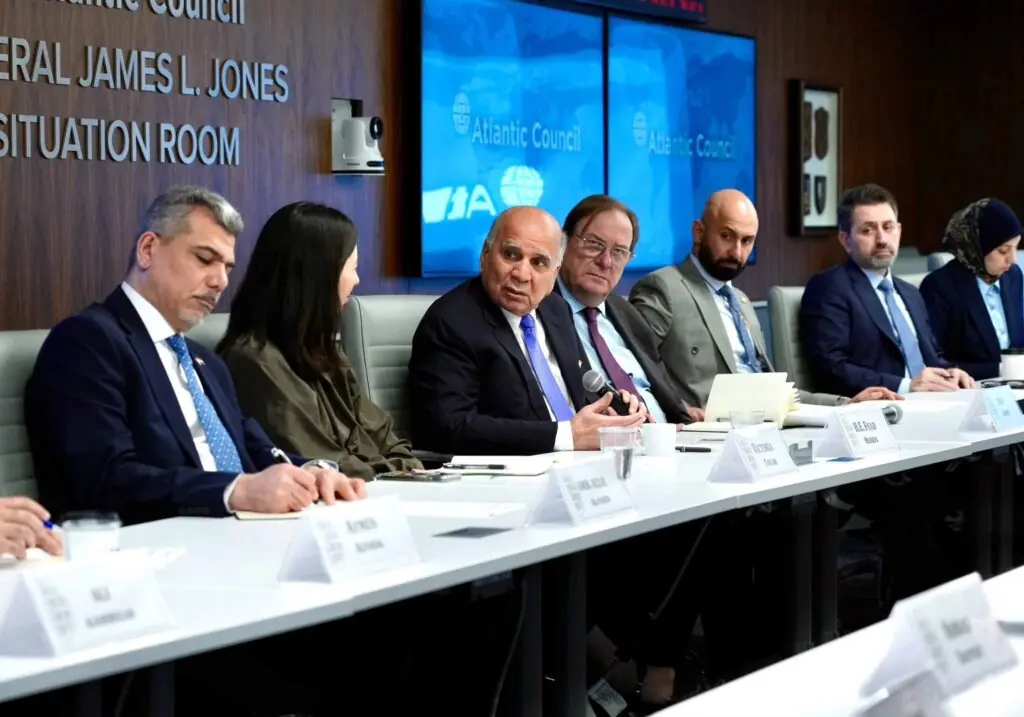
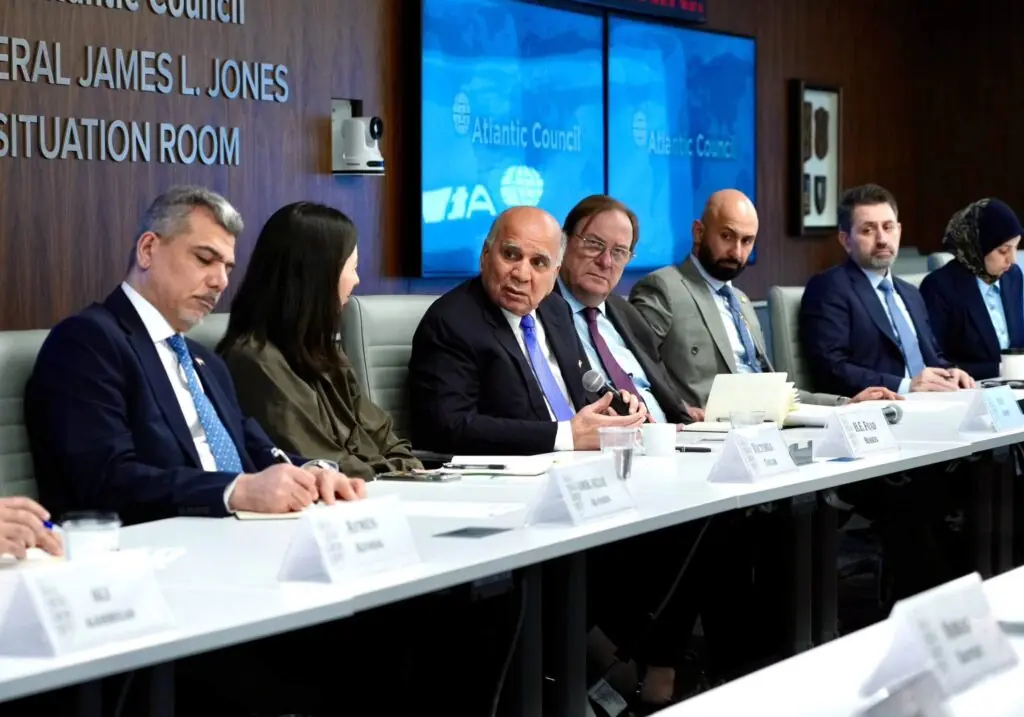
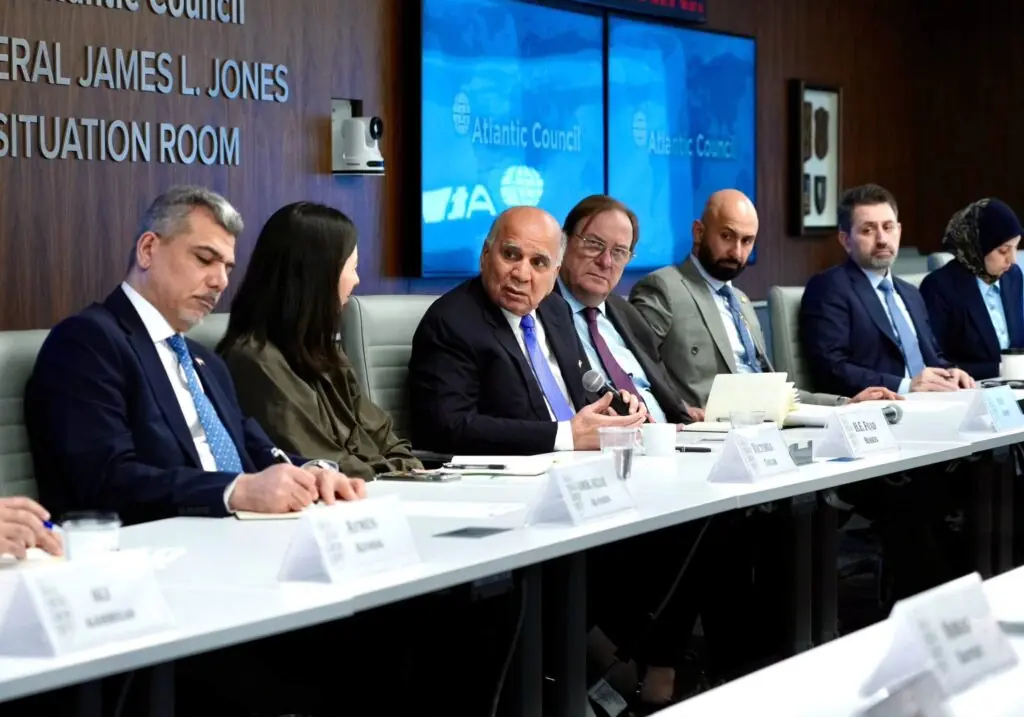
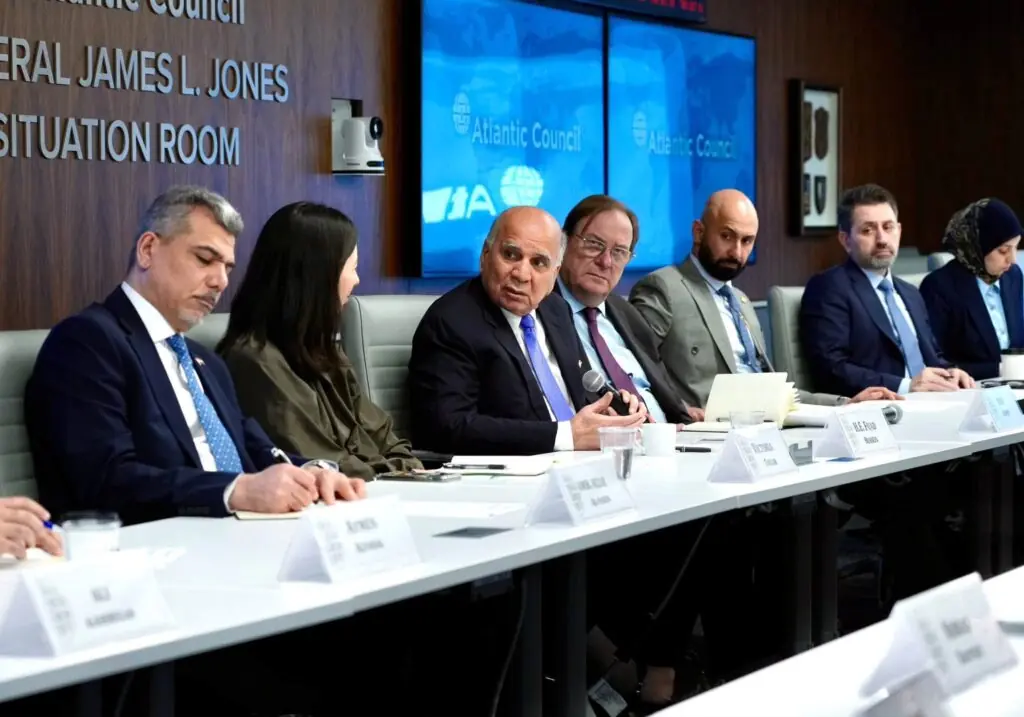
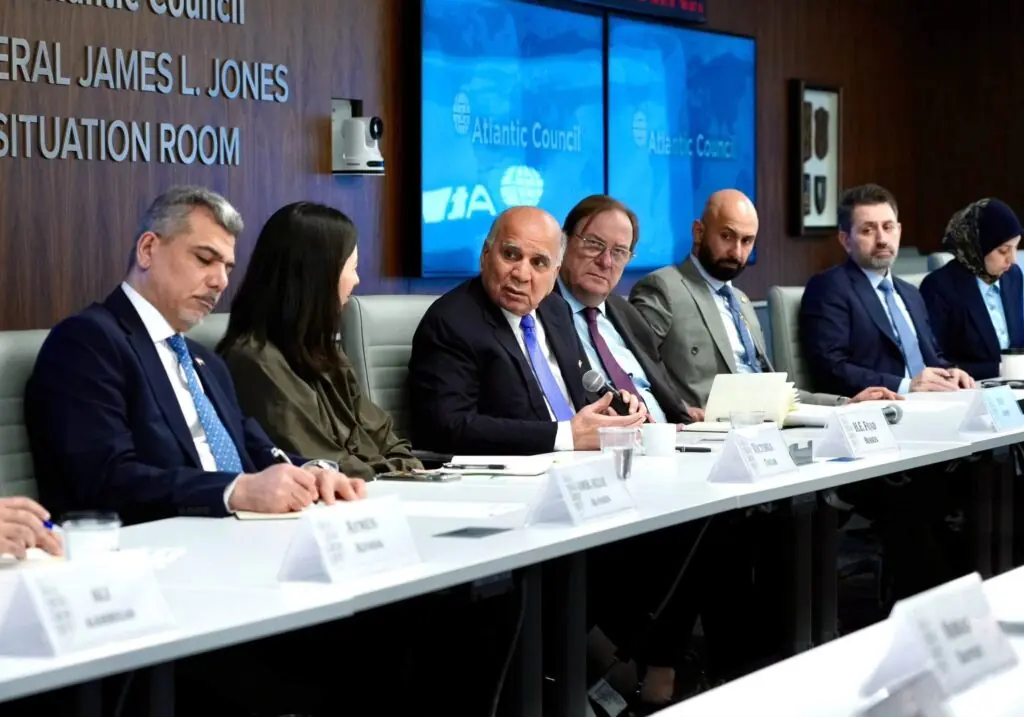
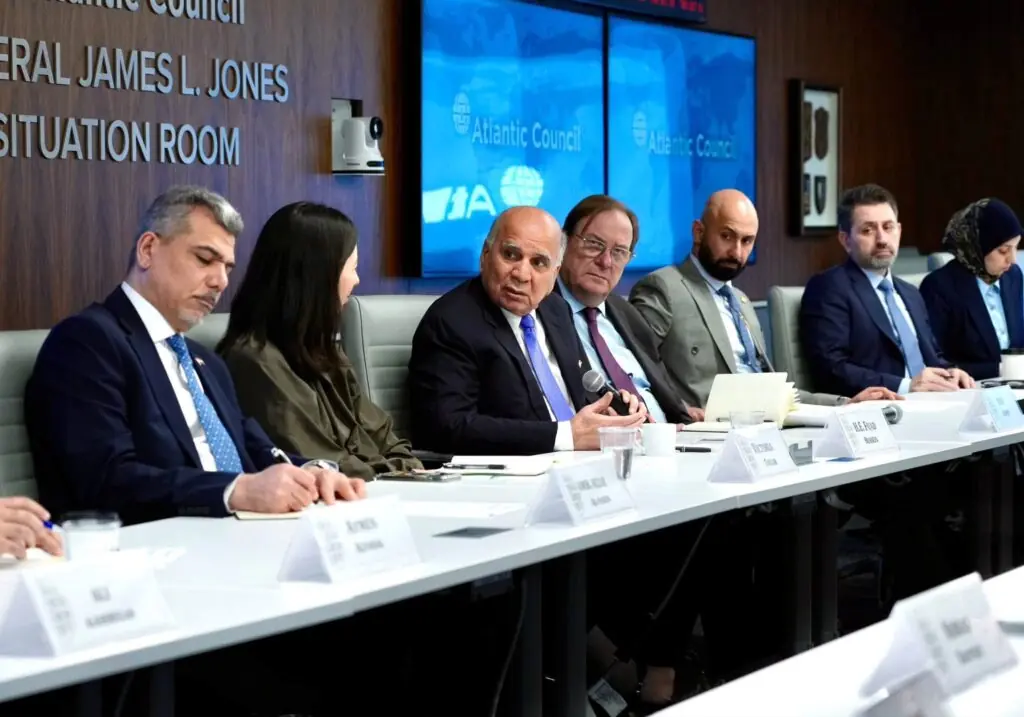
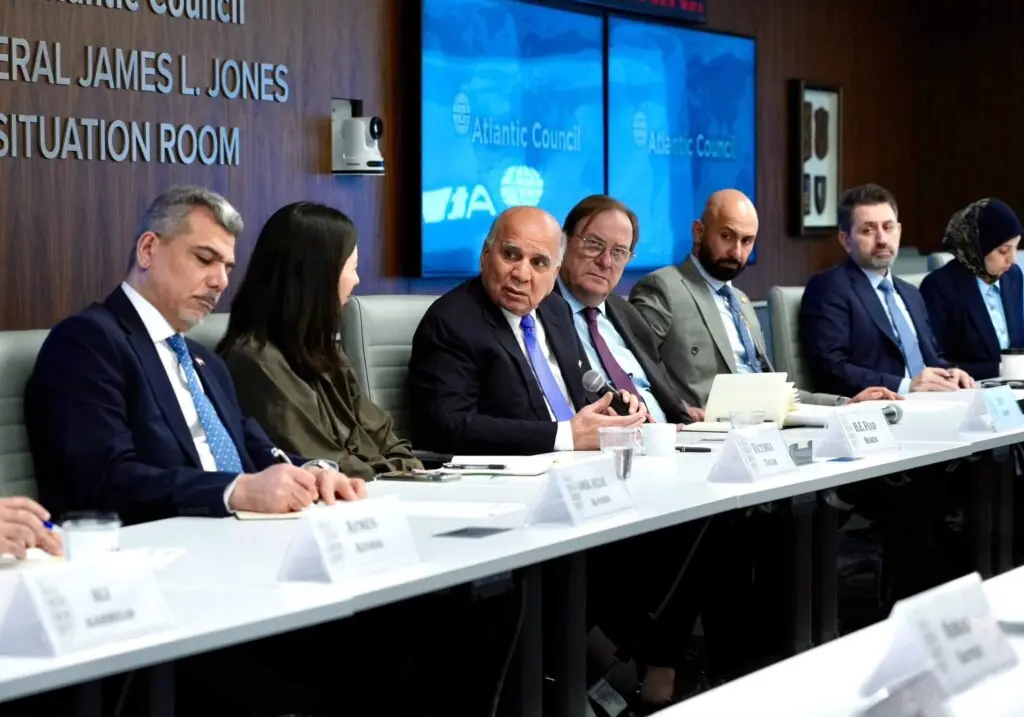
Fuad Hussein discussed a state-weapons plan, counter-ISIS cooperation and Iraq-US economic ties at the Atlantic Council.
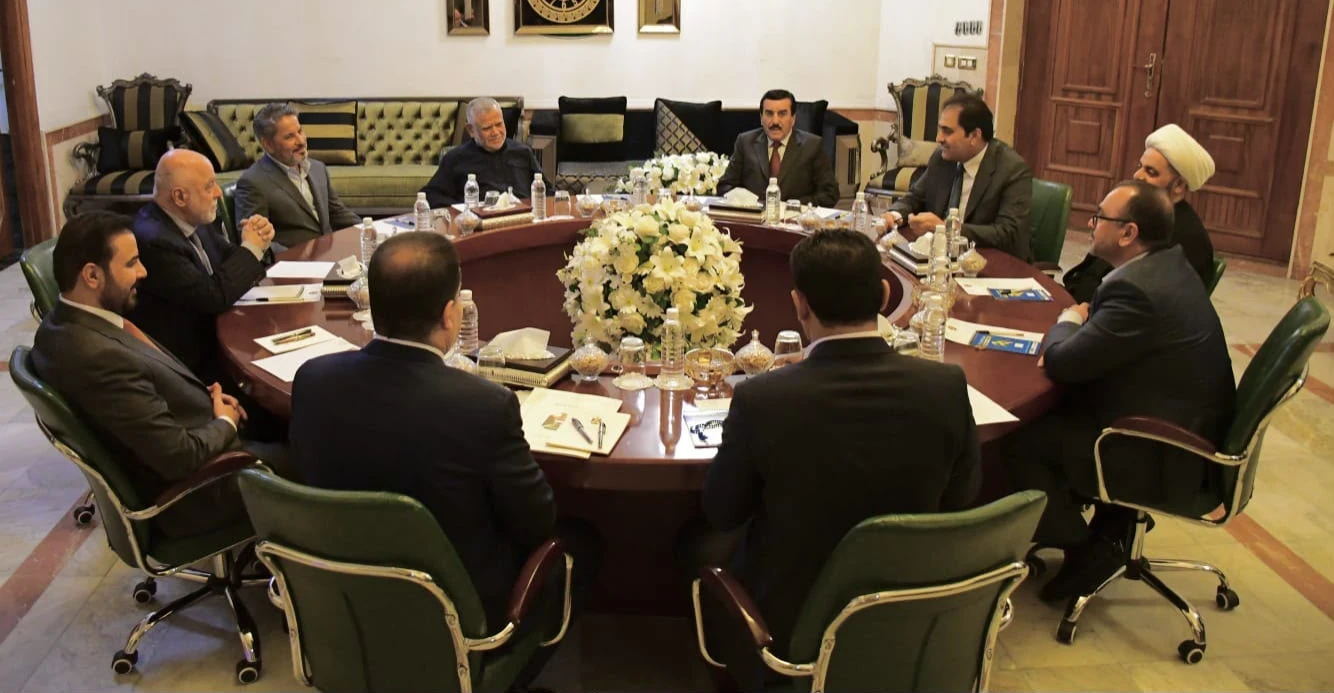
A source says a faction proposed creating a ministry while negotiations continue over weapons control and vacant cabinet posts.
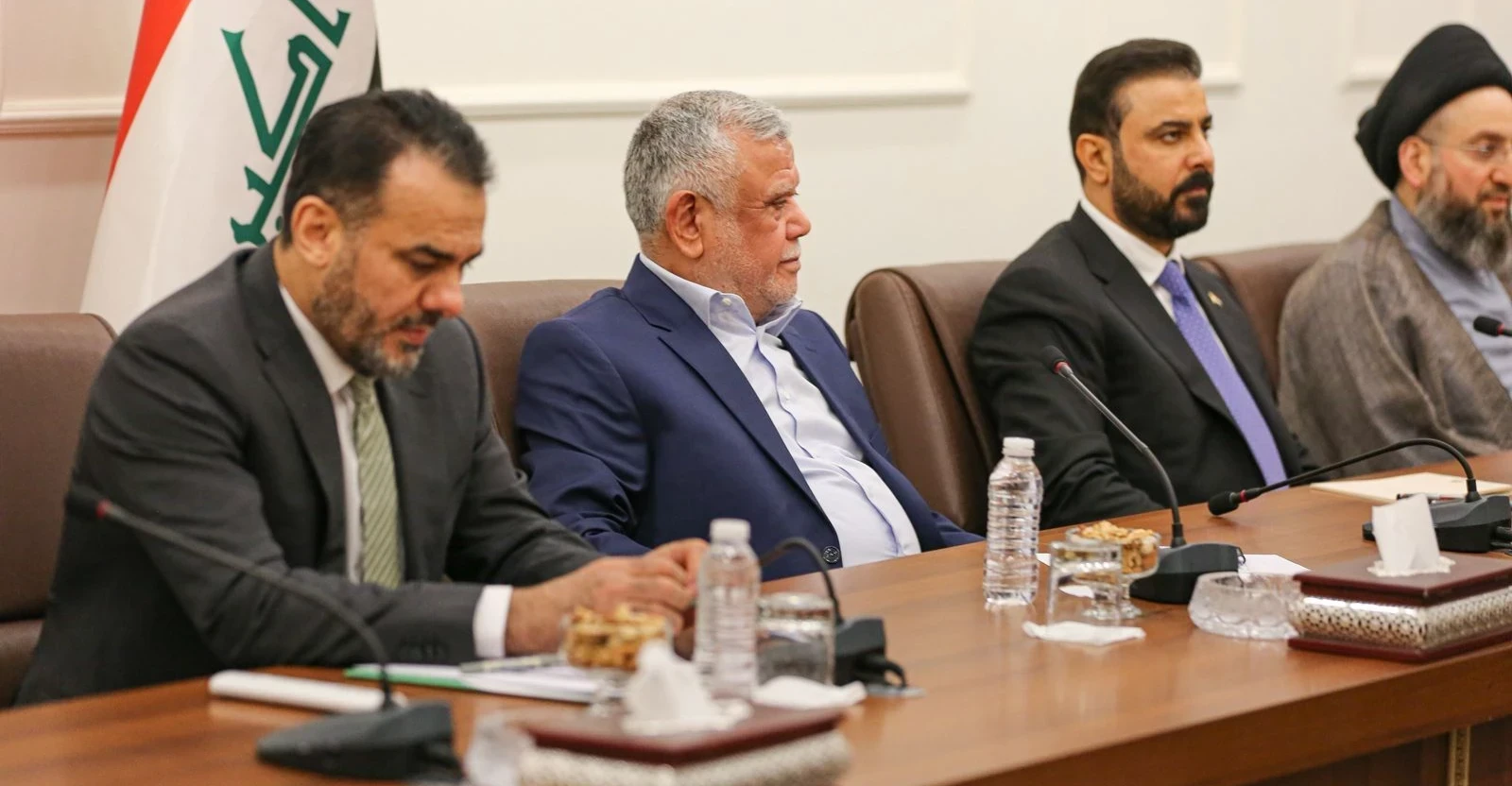
Ali al-Zaidi praised factions that agreed to place arms under state authority and called on others to follow.
The final US personnel left the Erbil coalition base, ending the US military presence in Iraq and shifting counter-ISIS cooperation to a bilateral framework.
Prime Minister Ali al-Zaidi announced a roadmap to regulate weapons held by armed factions and disarm non-Iraqi groups operating in Iraq.